
A Reliable and Safe
Permanent Contraception Method
Vasectomy has a pregnancy rate of only 0.02–0.2% compared to other contraception methods, making it a highly effective and safe procedure.
Definition
Vasectomy: Occluding the Vas Deferens,
the Pathway for Sperm
Vasectomy is a procedure that occludes the vas deferens — the pathway for sperm — to eliminate sperm from the semen, achieving permanent sterility.
Compared to other contraception methods, vasectomy has a pregnancy rate of only 0.02–0.2%, making it highly effective and safe.
The procedure does not affect testicular function or sexual performance, and to date, no clear adverse systemic effects such as increased risk of prostate cancer have been reported. Since sperm accounts for only a small fraction of semen volume, the amount of ejaculate does not significantly decrease after surgery.
If pregnancy is desired again after vasectomy, a vasovasostomy (vas deferens reversal) must be performed, but the pregnancy success rate is below 50%. As the occluded vas deferens degenerates over time, the likelihood of successful pregnancy decreases further. Reversal is most successful when performed within 4–5 years of the original procedure.
Procedure
M-Laser Vasectomy
The procedure is performed under local anesthesia of the scrotum. A small puncture is made in the skin over the palpated vas deferens, which is then grasped, ligated, and divided. The surgery is a relatively simple procedure that typically takes 15–20 minutes.
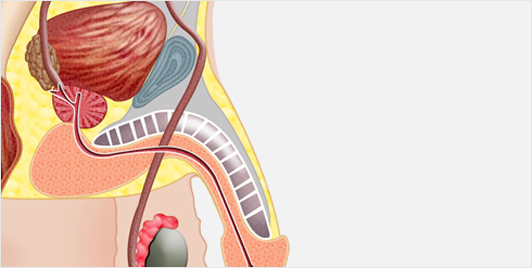
Before M-Laser Vasectomy
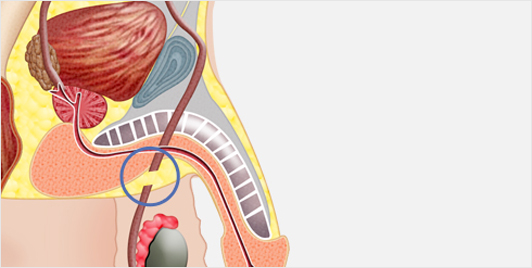
Satisfactory Results, Fast Recovery
Expected Results and Prognosis
Without Surgical Treatment
Alternative contraceptive methods such as female sterilization, condom use, hormonal therapy, and withdrawal can be used. However, compared to vasectomy, these methods have a higher failure rate.
Vasectomy Surgery Information
Duration
10–20 min
Stitch Removal
Not required
Anesthesia
Local
Follow-up
1 visit
Recovery
Same-day return
HIGHST YouTube