
Erectile Dysfunction
Requires Systematic Treatment
Erectile dysfunction cannot be treated through self-diagnosis and home remedies alone.
HIGHST Urology's systematic examination and treatment system restores male confidence.
Definition
What Is Erectile Dysfunction?
Erectile dysfunction (ED) refers to the condition where the penis does not become firm enough for satisfactory sexual intercourse, or even if it does, cannot maintain that state during intercourse.
The most common symptom of ED is decreased erection duration. Initiating an erection through sexual stimulation or imagination is usually not a problem, but it does not last long. This often leads to failed penetration or ending intercourse without ejaculation.
These symptoms psychologically pressure the individual to rush ejaculation, which can also trigger secondary premature ejaculation.
Prevalence
ED Prevalence by Age
According to a 2007 study by the Korean Society for Sexual Medicine surveying 1,570 men aged 40–79, 32.4% were found to have ED based on the IIEF-5 score (≤17 points). In studies of Asian populations, ED prevalence increases with age: 15.1% in 20s, 29.6% in 30s, 40.6% in 40s, 54.3% in 50s, and 70% in 60s.
Causes
Causes of Erectile Dysfunction
Psychogenic
Psychological Causes
ED can occur in individuals experiencing psychological anxiety or mental health conditions such as depression, schizophrenia, or personality disorders, as well as various neurotic conditions. It may also arise from misinformation about sexual function, unconscious guilt, or the inability to express sexual feelings and desires to a partner.
Organic
Physical Causes
An erection requires the coordinated function of the nervous, vascular, and endocrine systems. Dysfunction in any of these systems can prevent normal erection. Conditions such as diabetes, heart disease, and hypertension are associated with ED, and prostate surgery or damage to the nerves related to the penis can also contribute to erectile dysfunction.
Diagnosis
How Is ED Diagnosed?
Step 1
Medical History Review
The physician reviews when symptoms first appeared, whether nocturnal erections occur, whether ED varies by partner, and whether any existing conditions or medications may be contributing factors.
Step 2
Clinical Examination
Blood tests are used to check testosterone levels, and sexual response and erection quality can be measured while viewing images. Medications that induce erection can also be injected into the penis to assess the degree of erection. Additionally, Doppler ultrasound can be used to observe blood flow velocity and vessel size changes in the penile arteries to detect vascular abnormalities. A specialized device called RigiScan can also be used to monitor the presence and degree of erection as well as erection duration.
Non-Surgical Treatment #1
Oral ED Medications
Early-stage ED can often be managed with medication, counseling, exercise, and dietary adjustments.
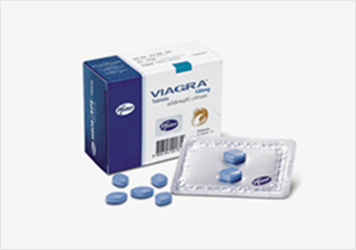
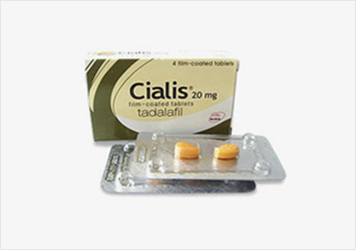
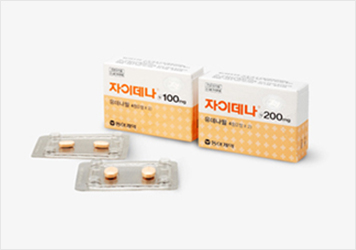
Oral medications such as Viagra, Cialis, and Zydena are primarily used for mild, early-stage ED.
Approximately 60–70% of early ED patients experience significant improvement with oral medication.
However, unsupervised use can lead to further sexual dysfunction — always consult a specialist to receive a proper prescription for appropriate dosage and frequency.
Approximately 60–70% of early ED patients experience significant improvement with oral medication.
However, unsupervised use can lead to further sexual dysfunction — always consult a specialist to receive a proper prescription for appropriate dosage and frequency.
Viagra
Cialis
Zydena
Non-Surgical Treatment #2

Testosterone Replacement Therapy
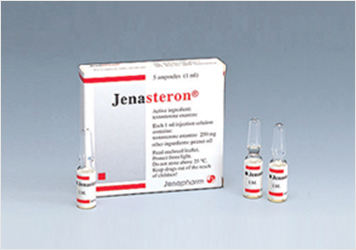
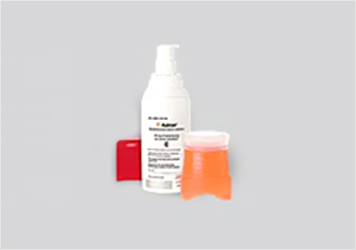
A method of supplementing decreased testosterone levels through injection or transdermal patches.
Testosterone supplementation improves libido and erectile function, while also reducing fatigue, decreasing abdominal fat, increasing bone density, and boosting overall vitality.
Testosterone supplementation improves libido and erectile function, while also reducing fatigue, decreasing abdominal fat, increasing bone density, and boosting overall vitality.
NEBIDO
Jenasteron
Transdermal Gel
Non-Surgical Treatment #3
Intracavernosal Injection Therapy (Trimix)
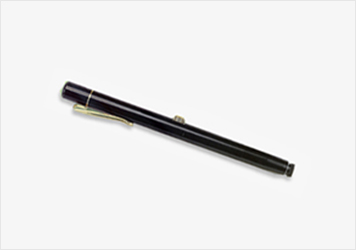
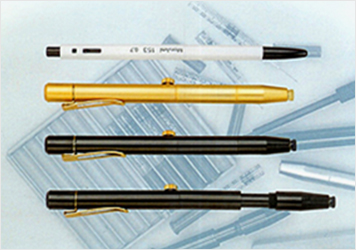
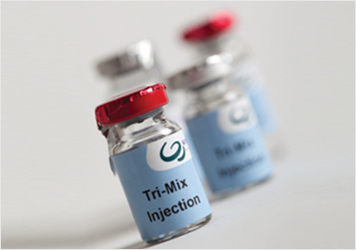
A self-injectable syringe formulated with a combination of vasodilating agents for direct penile injection, used when oral ED medications fail to produce adequate improvement.
Designed in a fountain pen-shaped pen type for convenient portability and ease of use. Erection occurs within 5–10 minutes after injection and can be maintained for up to 1–2 hours.
However, misuse can lead to sexual dysfunction, so it must be purchased and used only through a specialist's prescription.
Designed in a fountain pen-shaped pen type for convenient portability and ease of use. Erection occurs within 5–10 minutes after injection and can be maintained for up to 1–2 hours.
However, misuse can lead to sexual dysfunction, so it must be purchased and used only through a specialist's prescription.
Penile Implant Surgery
Penile implant surgery is considered as a last resort when non-surgical treatments fail to produce sufficient improvement.
HIGHST Urology does not recommend implant surgery for younger patients or those whose symptoms can be adequately improved through non-surgical methods.
HIGHST Urology does not recommend implant surgery for younger patients or those whose symptoms can be adequately improved through non-surgical methods.
1. Candidates for Implant Surgery
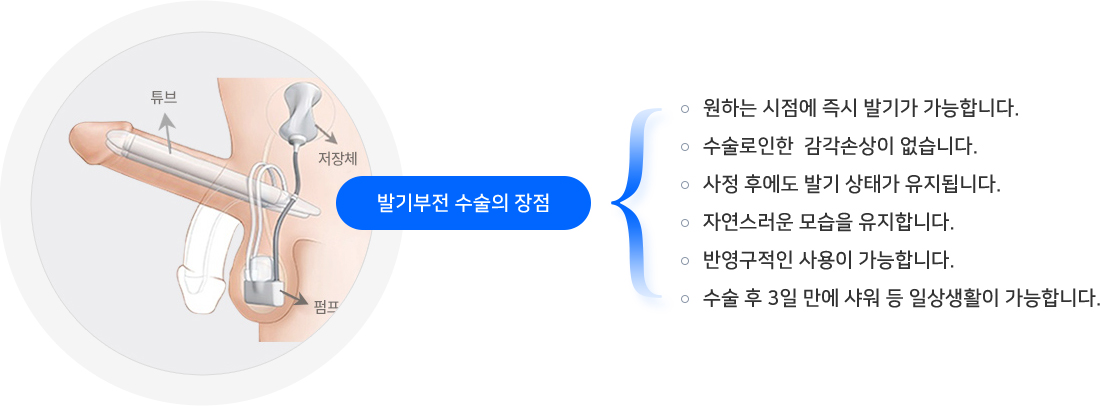
Penile implant surgery involves inserting a prosthesis into the penis. Post-surgical sensation is not diminished, and patient satisfaction rates are exceptionally high.
The procedure has been performed internationally for over 40 years with well-documented efficacy. However, prosthesis insertion is a highly complex surgery that must be performed by an experienced urologist.
2. Types of Penile Implants
01
Inflatable Implant
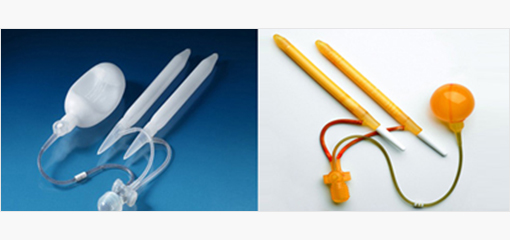
The inflatable implant consists of three soft silicone or bioflex tubes placed inside the penis, a fluid reservoir positioned in the abdomen, and a pump implanted in the scrotum.
To achieve an erection, the patient activates the pump in the scrotum, which transfers saline from the reservoir into the penile cylinders.
The results are highly natural in appearance, making it virtually undetectable by others.
02
Malleable (Semi-Rigid) Implant
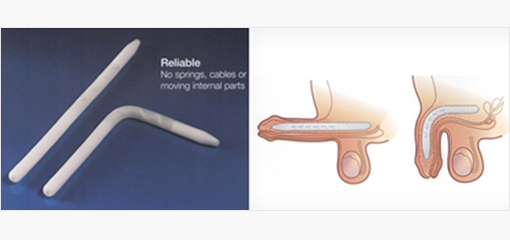
A bendable rod-type prosthesis that can be manually positioned — kept folded down when not in use and straightened for intercourse. The surgical procedure is simpler and more affordable compared to the inflatable type. However, it may be slightly more noticeable in its resting state.
3. Advantages of Implant Surgery
HIGHST YouTube

2025. 8. 21.
Real Documentary: Fitness Enthusiast's Gynecomastia Journey

2025. 6. 20.
Part 3: Insurance Coverage Guide for Gynecomastia

2025. 6. 13.
Part 2: Gynecomastia Surgery — Everything You Need to Know

2025. 6. 6.
Part 1: What Is Gynecomastia? — Complete Guide

2025. 3. 18.
Post-Surgery Pain After 4 Months? — Honest Review