

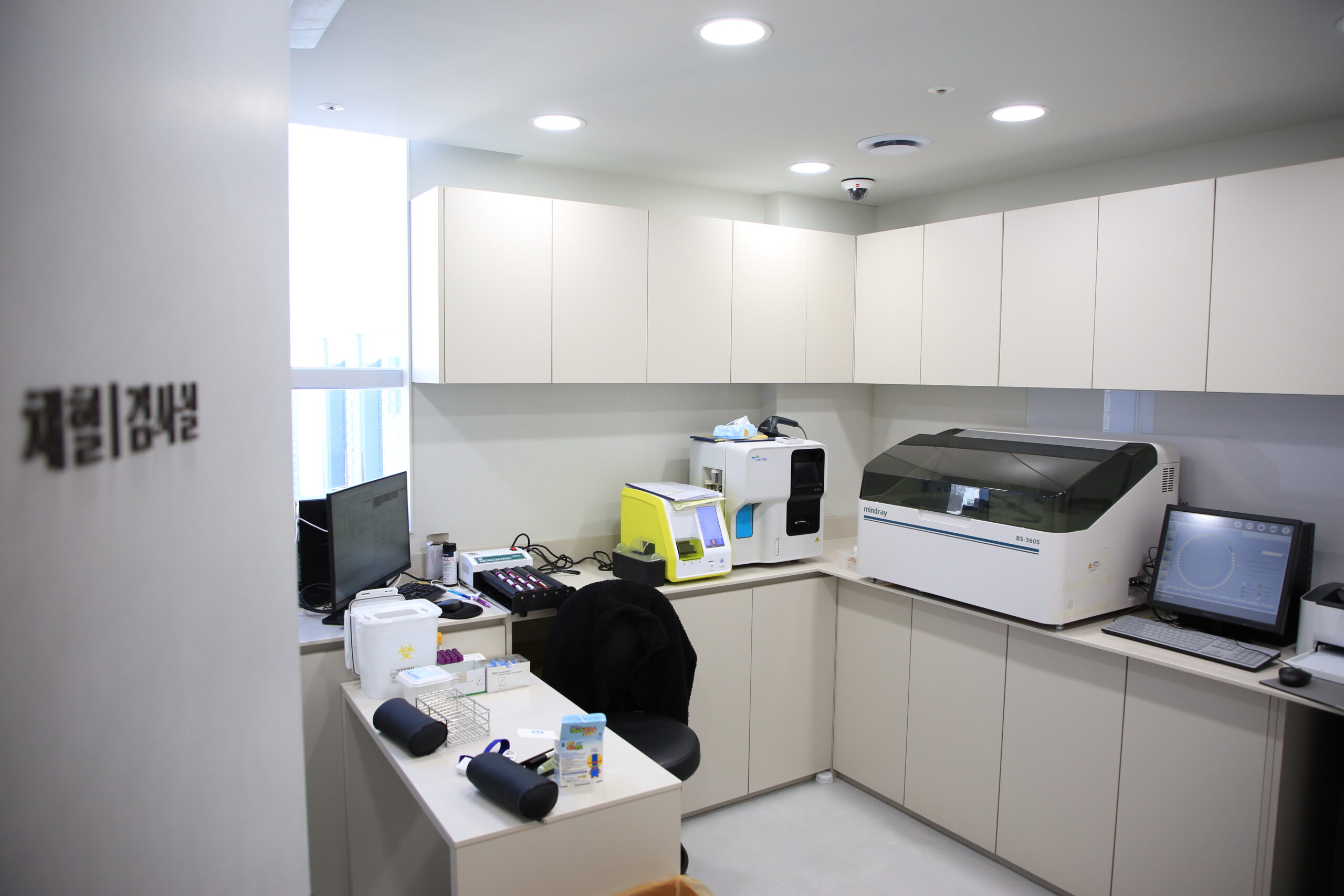
A testosterone blood test needs more planning than simply fitting a blood draw between sightseeing and a flight. For men being assessed for possible testosterone deficiency, the timing, preparation and interpretation all matter. Before your Seoul visit, confirm the sampling instructions and allow for the possibility of a second test on another day.
This guide covers initial assessment. If you already take testosterone, ask your prescriber for a monitoring plan specific to your treatment.
Start with the reason for testing
Low sexual desire, erection difficulties or fatigue can have several causes. Symptoms alone do not establish testosterone deficiency, and a single low reading does not establish it either. The Endocrine Society’s 2026 statement stresses combining a clinical assessment with properly confirmed blood results.
Write down what has changed, when it started and what you want help with. The consultation can then address the problem behind the test request. Routine testosterone screening of men without relevant symptoms or signs is not recommended by the Endocrine Society guideline.
Testosterone blood test timing, fasting and sleep
The European Association of Urology guideline recommends morning sampling, usually between 7 and 10 a.m., in a fasting state when assessing testosterone deficiency. These are sampling recommendations, not HIGHST’s opening hours. Confirm an available collection time and the laboratory’s exact fasting instructions before booking around it.
Ask whether water is allowed, how long to avoid food, and how to handle medicines that normally accompany breakfast. Do not skip prescribed medicine or attempt fasting that may be unsafe for you without an individual plan.
Sleep also matters. A joint endocrinology and laboratory medicine position statement recommends testing after a good night’s rest and explains that night-shift work complicates interpretation. If you sleep during the day or arrive after an overnight flight with little sleep, tell the clinician before choosing the appointment.
Acute illness can temporarily lower testosterone. If you develop an illness before the planned blood draw, contact the clinic about whether to postpone the hormone measurement. This does not mean postponing medical attention for the illness itself.
Bring medicines and previous results
Bring a list of prescriptions, nonprescription products and supplements, including any testosterone or anabolic steroid use. Opioids and corticosteroids are examples of medicines that can affect testosterone levels; the Endocrine Society’s patient guide describes these and other possible causes. Tell the clinician what you take rather than stopping it yourself.
For a result obtained abroad, bring the complete report with its collection date and time, units and laboratory reference range. If available, include the test method and whether the sample was fasting. Laboratory methods and reference ranges differ, so two numbers from different reports may not be directly comparable.
Also mention whether you hope to have children. Testosterone treatment can suppress sperm production and is unsuitable for men actively seeking fertility; the EAU guideline advises against its use in this setting. A low result should prompt discussion of the cause and appropriate options, not an automatic prescription.
What happens after a low or borderline result?
The Endocrine Society recommends repeating a morning fasting total testosterone measurement to confirm a low result. Confirmation is considered alongside symptoms and examination. A short trip may therefore be too brief to complete the assessment and decide on treatment.
If the result is borderline, the clinician may consider sex hormone-binding globulin (SHBG) and an appropriate free testosterone assessment. Other hormone tests may help investigate the cause. These are selected according to the clinical findings, not a fixed panel every visitor needs.
Before leaving Seoul, ask who will explain the results, whether repeat sampling is needed and how follow-up can be arranged. If you may repeat the test in your home country, ask which measurements and report details are needed and whether that laboratory’s results can be used. Overseas result acceptance and remote follow-up should be confirmed directly.
Before-you-travel checklist
- Explain your symptoms and usual sleep schedule when arranging the visit.
- Confirm the collection time, fasting instructions and medication plan.
- Bring previous laboratory reports and a complete medicine list.
- Mention current hormone use and plans for children.
- Ask which consultation and test charges are included in the quote.
- Leave room in your plans for result review and possible repeat testing.
If a separate prostate blood test is also being considered, read our PSA test preparation guide. PSA and testosterone answer different clinical questions and have different preparation considerations.
To ask about arranging a visit and the instructions relevant to you, Message HIGHST Urology Clinic on WhatsApp.